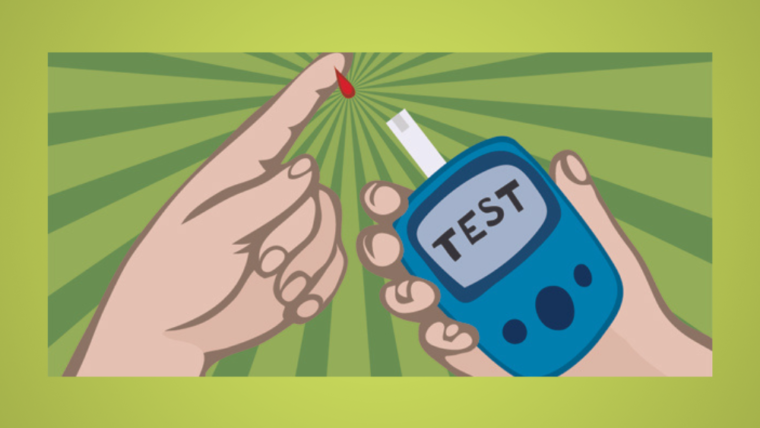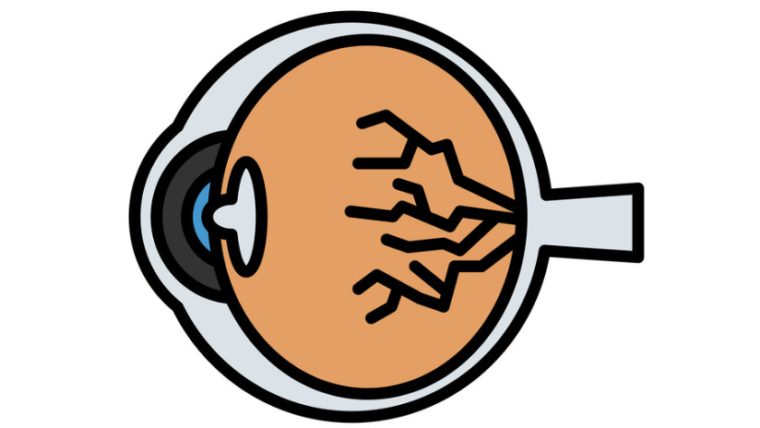
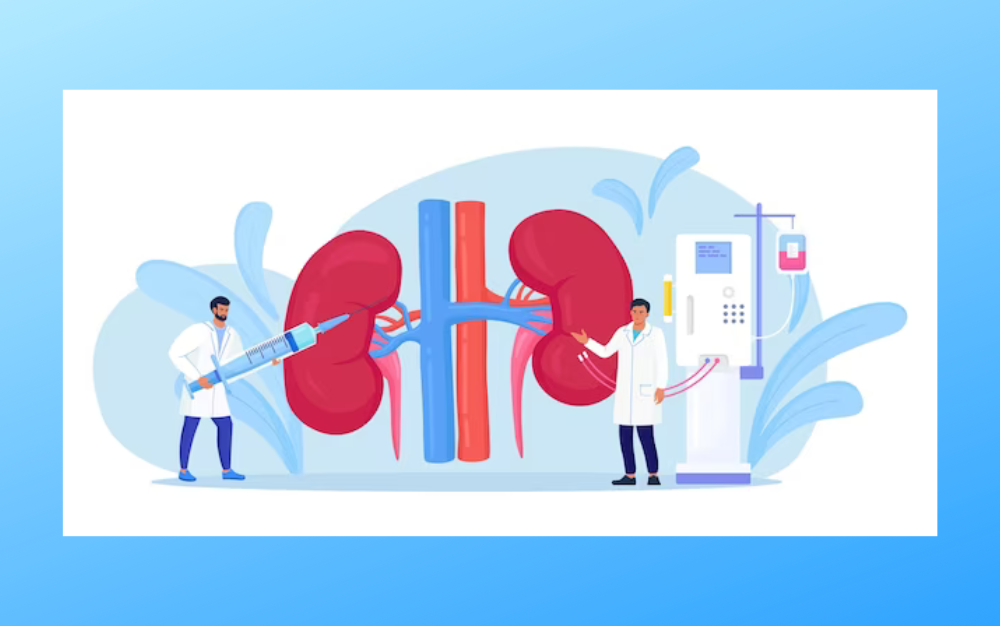
Diabetic renal care is the specialized care and treatment provided to diabetics who are at risk of developing or have already established diabetic kidney disease. Diabetes is a primary cause of kidney disease, and controlling blood sugar levels is essential for preventing or postponing the start of diabetic renal disease. Regular monitoring of kidney function, management of blood pressure and blood sugar levels, adoption of a healthy lifestyle, and, in certain situations, medication or dialysis are all part of diabetic renal care. Healthcare practitioners can assist diabetics preserve kidney function and prevent or manage problems associated with diabetic kidney disease by providing appropriate and timely care.
There is no single standard operating procedure (SOP) for treating diabetic renal care, as management plans will depend on the individual’s specific needs and the severity of their condition. However, there are several key principles that are generally recommended to help prevent or manage diabetic kidney disease:
- Monitoring kidney function: Regular monitoring of kidney function through blood and urine tests is essential to detect any early signs of kidney damage.
- Managing blood sugar levels: Keeping blood sugar levels within a target range can help prevent or delay the onset of diabetic kidney disease. This may involve dietary changes, physical activity, and medication.
- Managing blood pressure: High blood pressure can cause further damage to the kidneys. Managing blood pressure through lifestyle changes and medication can help slow down the progression of diabetic kidney disease.
- Adopting a healthy lifestyle: A healthy lifestyle that includes regular physical activity, a balanced diet, and not smoking can help prevent or manage diabetic kidney disease.
- Medication: Depending on the severity of the condition, medication may be needed to help manage blood sugar levels, blood pressure, or to reduce the risk of complications.
- Dialysis: In severe cases of diabetic kidney disease, dialysis may be needed to replace the function of the kidneys and remove waste products from the body.
Overall, managing diabetic renal care requires a collaborative approach between the individual with diabetes, their healthcare provider, and other specialists. A personalized management plan can help prevent or manage diabetic kidney disease and improve quality of life.