
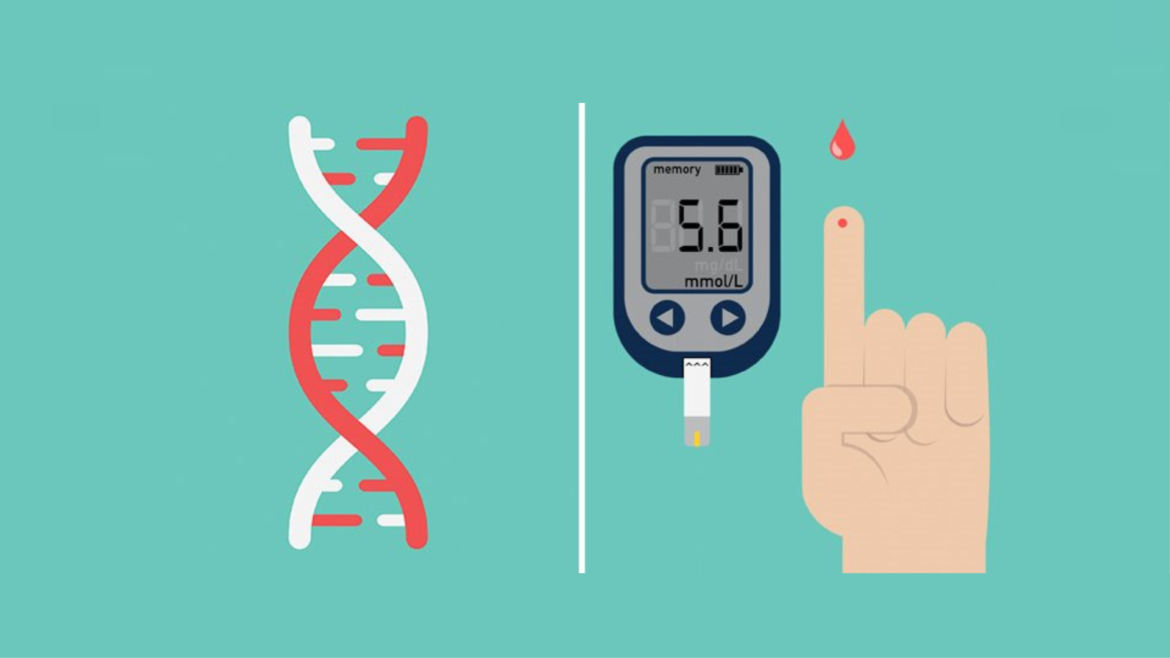
A Look at Diabetes Via the Numbers
The estimates in 2019 showed that 77 million individuals had diabetes in India, which is expected to rise to over 134 million by 2045. Approximately 57% of these individuals remain undiagnosed.
In India, Diabetes was the second leading cause of death, growing 39% in 2020 over 2019, much ahead of Covid and cancer. Doctors have underlined that interventions are needed to combat non-communicable diseases that have remained the biggest killers for decades.
- Within the United States, diabetes ranks as the seventh biggest cause of death overall.
- Diabetes is the leading reason for renal failure, lower-limb amputations, and adult blindness in the United States.
- According to the International Diabetes Federation (IDF), the number of adults with diabetes worldwide was estimated to be 382 million in 2013, and this number is projected to rise to 592 million by 2035. This represents an increase of 55% in just over two decades.
- The IDF also reports that the prevalence of diabetes has been increasing rapidly in low- and middle-income countries. In fact, 79% of adults with diabetes now live in these countries. This increase has been attributed to factors such as urbanization, changes in diet, and reduced physical activity.
It’s worth noting that the growth rate of diabetic patients may differ from country to country and may also depend on factors such as age, gender, genetics, and lifestyle choices. However, the overall trend shows a significant increase in the number of people living with diabetes globally over the past 20 years.
Understand diabetes, causes, symptoms and treatment
Diabetes is a health problem that lasts for a long time and affects the way in which your body converts the food you eat into energy.

The majority of the food you consume is converted by your body into sugar, also known as glucose, which is then distributed throughout your bloodstream. When there is an increase in your blood sugar, it sends a signal to your pancreas to produce more insulin. Insulin functions like a key, allowing glucose from the blood to enter the cells of the body to be converted into energy.
Diabetes Signs and Symptoms
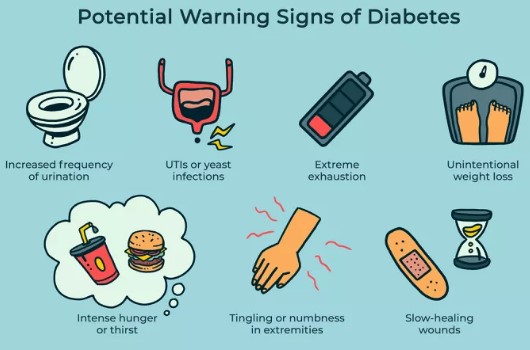
If you have diabetes, your body either is unable to produce enough insulin or is unable to utilize it as effectively as it could. When there is not enough insulin or when cells cease responding to insulin, an excessive amount of blood sugar remains in the bloodstream. This condition is known as diabetes. This can, over time, lead to major health issues such as coronary heart disease, eyesight loss, and kidney disease.
Diabetes is a condition for which there is now no treatment or cure; however, decreasing weight, eating healthily, and staying active can be very helpful. Some things that you can do to assist are as follows:
- Take your medication exactly as directed.
- Learn how to self-manage your diabetes and get help while doing so.
- Schedule and attend all of your medical appointments.
What causes lead to diabetis?
Several things can cause diabetes, including:
- Genetics: Family history increases diabetes risk. Diabetes is more likely if your parents have it.
- Lifestyle: Poor diet, inactivity, and smoking can raise type 2 diabetes risk. Obesity raises risk.
- Insulin resistance: Insulin aids glucose metabolism. High blood glucose levels result from insulin resistance.
- Autoimmune disorders: In type 1 diabetes, the immune system kills insulin-producing pancreatic cells.
Moreover, Polycystic ovary syndrome, cystic fibrosis, and pancreatitis can raise diabetes risk. Steroids and antipsychotics raise diabetes risk.
Diabetes’ causes are unknown and vary by person. However, managing risk factors like food, exercise, and weight can lower diabetes risk.