
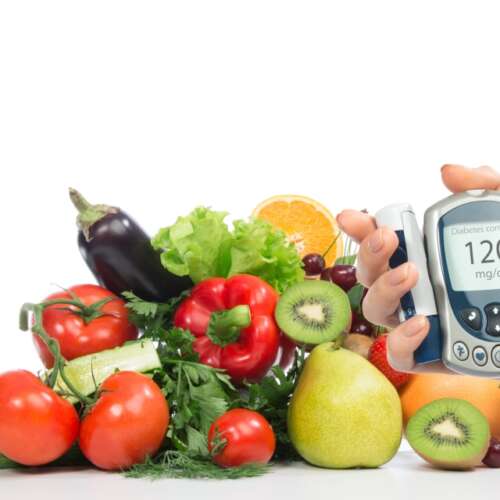
There are various kinds of diabetes, and no two diabetics are alike. As a result, there is no one-size-fits-all “diabetes diet” for everyone with diabetes. However, we have developed some suggestions to assist you in making healthier dietary choices.
These general healthy eating guidelines can help you control your blood glucose (sugar), blood pressure, and cholesterol levels. They can also assist you in managing your weight and lowering your chance of diabetes complications such as heart problems and strokes, as well as other health conditions such as certain types of cancer.
Our recommendations are founded on research involving people with type 1 and type 2 diabetes. Some of these suggestions will apply to you if you have a different type of diabetes, such as gestational, cystic fibrosis-related, or MODY. Whatever type of diabetes you have, it’s critical to consult with a dietitian for specific guidance.
Find out how to eat healthily while remaining at home if you or someone you know is self-isolating. And you can get even more tips on eating healthy with diabetes in our interactive Learning Zone, which includes easy and doable food hacks.
What does eating ‘proper diet’ mean for you?
If you have type 1 diabetes, carb tracking is critical to maintaining stable blood glucose levels. This is where you estimate how many carbs are in your meal and compare it to how much insulin you need to consume.
If you have type 2 diabetes and are overweight, finding a method to lose weight is critical because it greatly improves diabetes management. This is because it can help lower your blood glucose and lower your chance of other complications. There are various approaches to this, such as the low-carb, Mediterranean, and very low-calorie regimens. Losing weight can help you lower your blood glucose levels, and we now know that significant weight loss can even send some people’s type 2 diabetes into remission.
Whether you have type 1 or type 2 diabetes, you may need to lose, gain, or keep your current weight, but it is critical to make healthier food choices while doing so.
Portion sizes are essential to consider whether you are type 1 or type 2. It makes determining nutritional facts for carb counting or weight management much simpler. Remember that everyone’s portion sizes vary, so what works for someone else may not work for you.
If you are feeling overwhelmed by your feelings about food and diabetes, we have plenty of information to assist you.
Our 10 tips for a healthy diet with diabetes
1. Select healthier carbs
Because all carbohydrates influence blood glucose levels, it is critical to understand which foods contain carbohydrates. Choose healthier carbohydrate-containing meals and watch your portion sizes.
Here are some good glucose sources:
whole grains such as brown rice, buckwheat, and whole oats fruits and veggies pulses such as chickpeas, beans, and lentils
Dairy products such as plain yogurt and milk.
At the same time, low-fiber meals such as white bread, white rice, and highly processed cereals should be avoided. If you’re unsure, examine food labels when searching for foods high in fiber.
2. Consume less sodium.
Eating a lot of sodium can increase your risk of high blood pressure, which increases your risk of heart disease and stroke. And if you have diabetes, you are already at a higher risk for all of these diseases.
Limit yourself to 6g (one tablespoon) of salt per day. Many pre-packaged foods already contain salt, so study food labels and select those with less salt. Cooking from home allows you to keep track of how much salt you’re consuming. To add flavor, you can also get creative and substitute various types of herbs and spices for salt.
3. Consume less red and processed beef
If you’re reducing carbs, you might start eating more meat to fill you up. It’s not a good idea to do this with red and processed meats like ham, bacon, sausages, beef, and lamb. All of these have been linked to heart issues and cancer.
Try substituting these for red and processed meat:
pulses such as beans and lentils eggs seafood poultry such as chicken and turkey unsalted nuts
Beans, peas, and lentils are also high in fiber and have little effect on blood glucose levels, making them a perfect substitute for processed and red meat and keeping you feeling full. We all know that fish is healthy for us, but oily fish like salmon and mackerel are even better. These are high in omega-3 oil, which helps safeguard your heart. Try to consume two servings of oily fish per week.
4. Consume more fruits and vegetables.
We all know that consuming fruits and vegetables is healthy. It’s always a good idea to consume more at meal times and have them as snacks if you’re hungry. This can help you get the vitamins, minerals, and fiber your body requires every day to stay fit.
You might be thinking about fruit and whether you should avoid it because it is high in sugar. The answer is no. Whole fruit is beneficial for everyone, and diabetes is no exception. Fruits do contain sugar, but it is natural sugar. This is distinct from the added sugar (also known as free sugars) found in foods such as chocolate, cookies, and desserts.
Fruit juices contain extra sugar as well, so opt for whole fruit instead. This can be raw, frozen, dried, or canned. (in juice, not in syrup). And it’s best to consume it throughout the day rather than all at once.
5. Opt for healthy fats
We all require fat in our diets because it provides us with vitality. varying types of fat, however, have varying effects on our health.
Unsalted nuts, seeds, avocados, oily seafood, olive oil, rapeseed oil, and sunflower oil are high in healthy fats. Some saturated fats can raise the amount of cholesterol in your blood, increasing your chance of heart disease. These are mostly present in animal products and prepared foods, such as:
biscuits, cakes, pies, and pastries made with red and processed beef, ghee, butter, and lard. It’s still a good idea to reduce your overall use of oils, so consider grilling, steaming, or baking instead.
6. Reduce the amount of extra sugar you consume.
We understand that cutting out sugar can be difficult at first, so small practical swaps are a good place to start when attempting to cut back on excess sugar. Swapping sugary beverages, energy drinks, and fruit juices for water, plain milk, or sugar-free tea and coffee can be a good place to start.
You can always attempt low or zero-calorie sweeteners (also known as artificial sweeteners) to help you cut back. Eliminating these added sugars can help you regulate your blood glucose levels and maintain a healthy weight. If your diabetes treatment causes hypos and you use sugary drinks to treat them, this is still essential for diabetes management and should not be eliminated. However, if you have frequent hypos, it is critical that you consult with your diabetes team.
7. Make wise food choices.
Snack on yogurt, unsalted nuts, seeds, fruits, and veggies instead of crisps, chips, biscuits, and candies. But continue to monitor your portions – it will help you keep track of your weight.
8. Consume booze in moderation.
Alcohol is high in calories, so if you consume and are trying to lose weight, consider cutting back. Limit yourself to 14 units per week. However, spread it out to prevent binge drinking and abstain from alcohol on several days a week.
It’s also not a good idea to consume on an empty stomach if you’re taking insulin or other diabetes medications. This is because alcohol can make hypos more probable.
9. Avoid so-called diabetic cuisine.
It is now illegal to label products as “diabetic food.” This is because there is no proof that these foods provide a distinct advantage over eating healthily. They can also have the same amount of fat and calories as comparable products and still impact your blood glucose level. These foods can also have a laxative impact.
10. Get your minerals and vitamins from meals.
There is no proof that mineral and vitamin supplements help you manage your diabetes. So, unless your healthcare team has prescribed something, such as folic acid for childbearing, you don’t need to take supplements.
It is preferable to obtain vital nutrients by eating a variety of foods. This is because some supplements can interfere with your medicines or worsen diabetes complications such as kidney disease.
Don’t neglect to keep moving.
Being more physically busy goes hand in hand with eating healthier. It can help you manage your diabetes while also lowering your chance of heart problems. This is because it increases the amount of glucose used by your muscles and helps the body use insulin more effectively.
Aim for at least 150 minutes of moderate-intensity exercise per week. This includes any action that increases your heart rate, causes you to breathe faster, and makes you feel warmer. You should still be able to speak and only be slightly out of breath. You don’t have to complete all 150 minutes at once. Divide it into 10-minute chunks throughout the week, or 30-minute chunks 5 times a week.